
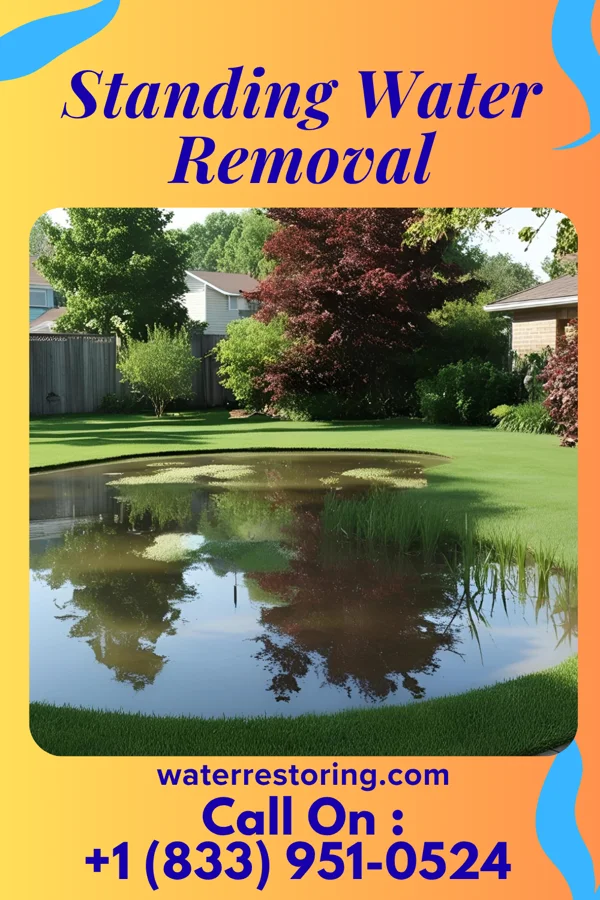
Ground-Water Standing Water in Montpelier
Water damage in Montpelier tends to cluster in predictable windows because of the local climate. In Montpelier, Ohio, water damage often stems from agricultural runoff and seasonal flooding due to the area's rural landscape and proximity to Lake Seneca. Heavy rainfall events can lead to water seeping into basements and low-lying areas, especially near Holiday City and Kunkle. These conditions are exacerbated by the region's flat terrain and limited drainage infrastructure. A close second is Secondary causes include broken pipes in older homes, malfunctioning sump pumps, and water infiltration from nearby farms or livestock operations. Additionally, the rural nature of the area means that many properties lack modern waterproofing systems, making them more vulnerable to water intrusion..
Montpelier experiences a humid continental climate with significant precipitation, particularly during the spring and early summer months. This increases the risk of water damage, especially in areas near Lake Seneca where water levels can fluctuate and cause localized flooding.
Montpelier experiences a humid continental climate with significant precipitation, particularly during the spring and early summer months. This increases the risk of water damage, especially in areas near Lake Seneca where water levels can fluctuate and cause localized flooding. The dominant local driver is In Montpelier, Ohio, water damage often stems from agricultural runoff and seasonal flooding due to the area's rural landscape and proximity to Lake Seneca. Heavy rainfall events can lead to water seeping into basements and low-lying areas, especially near Holiday City and Kunkle. These conditions are exacerbated by the region's flat terrain and limited drainage infrastructure., with Secondary causes include broken pipes in older homes, malfunctioning sump pumps, and water infiltration from nearby farms or livestock operations. Additionally, the rural nature of the area means that many properties lack modern waterproofing systems, making them more vulnerable to water intrusion. showing up as the next most common cause. Damage builds in stages. Spread. Absorption. Microbial growth. Structural compromise. Every stage you pass through adds to the final bill.